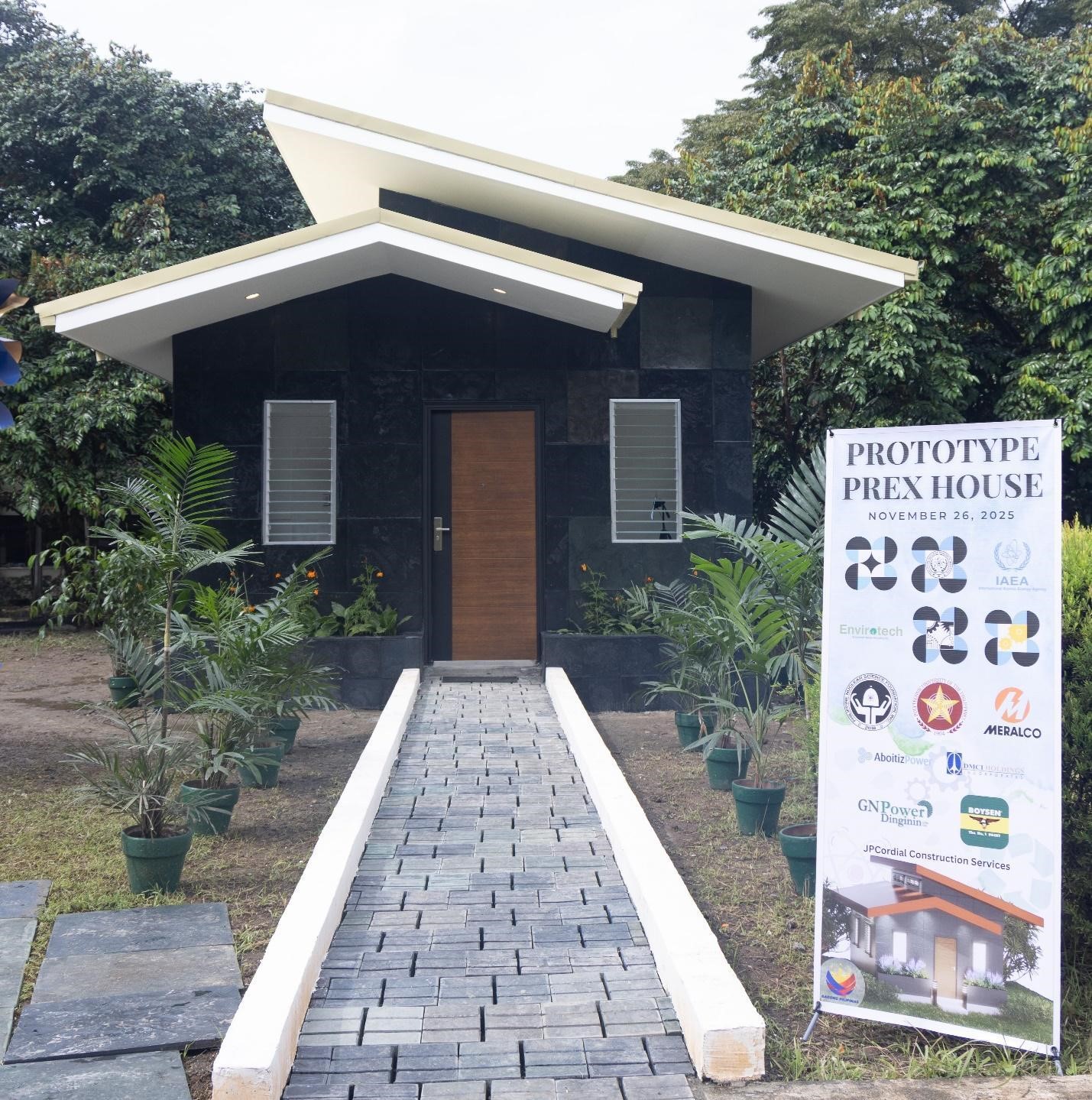
The Philippines has taken a significant leap forward in the global battle against plastic waste, showcasing the country’s first-ever prototype house built entirely using construction materials derived from radiation-processed plastics. This pioneering achievement, spearheaded by the Department of Science and Technology-Philippine Nuclear Research Institute (DOST-PNRI), leverages nuclear technology to offer a durable, safe, and sustainable solution for the construction industry.
This common Filipino residential house model serves as a tangible demonstration of how nuclear science can be utilized to reprocess low-value plastic waste into high-quality, durable materials like tiles, bricks, and structural panels.
The Science: Transforming Sachet Waste into Strong Materials
The innovation lies in the Post-Radiation Reactive Extrusion (PREx) project. DOST-PNRI researchers successfully demonstrated that low-value plastics, particularly the sachet materials common across the Philippines, can be transformed using radiation technology.
As explained by DOST-PNRI Director Carlo A. Arcilla, the process involves treating the plastics with electron beam or gamma radiation. This radiation modifies the chemical bonds within the plastics, creating a stronger, more sustainable final product.
“A lot of them [plastics] are coming from sachets… They are treated with radiation. What does the radiation do? It enables the bonding of the plastics to be modified, so that there will be stronger bonds. If you did not apply the radiation, the product, even if you heat it, will not be very sustainable.”
Crucially, the technology is safe: the radiation-induced processing does not make the resulting plastics radioactive, ensuring they are safe for handling, construction, and everyday residential use.
A New Circular Economy: From Waste to Wealth
This breakthrough is a centerpiece of the International Atomic Energy Agency’s (IAEA) Nuclear Technology for Controlling Plastic Pollution (NUTEC Plastics) initiative, where the Philippines is one of nine pilot countries leading the world in plastic upcycling.
DOST Secretary Renato U. Solidum Jr. highlighted the dual benefit of the technology: environmental sustainability and business opportunity.
“We also wanted to change the mindset of our people at the community level. One of the things that we need to change is when people see plastic, they don’t see plastic, but they see money,” Solidum stated.
The successful transformation of ubiquitous sachet waste into valuable construction materials creates a viable circular economy model. This provides a strong incentive for community-level collection and processing, combining science, technology, innovation, and business to address plastic pollution at its source while feeding durable materials back into the construction supply chain.
National Significance and International Recognition
The PREx model house was displayed at the DOST-PNRI compound during the first visit of IAEA Director General Rafael Mariano Grossi on November 26, 2025. This visit followed the first International High-Level Forum on NUTEC Plastics, convened in Pasay City.
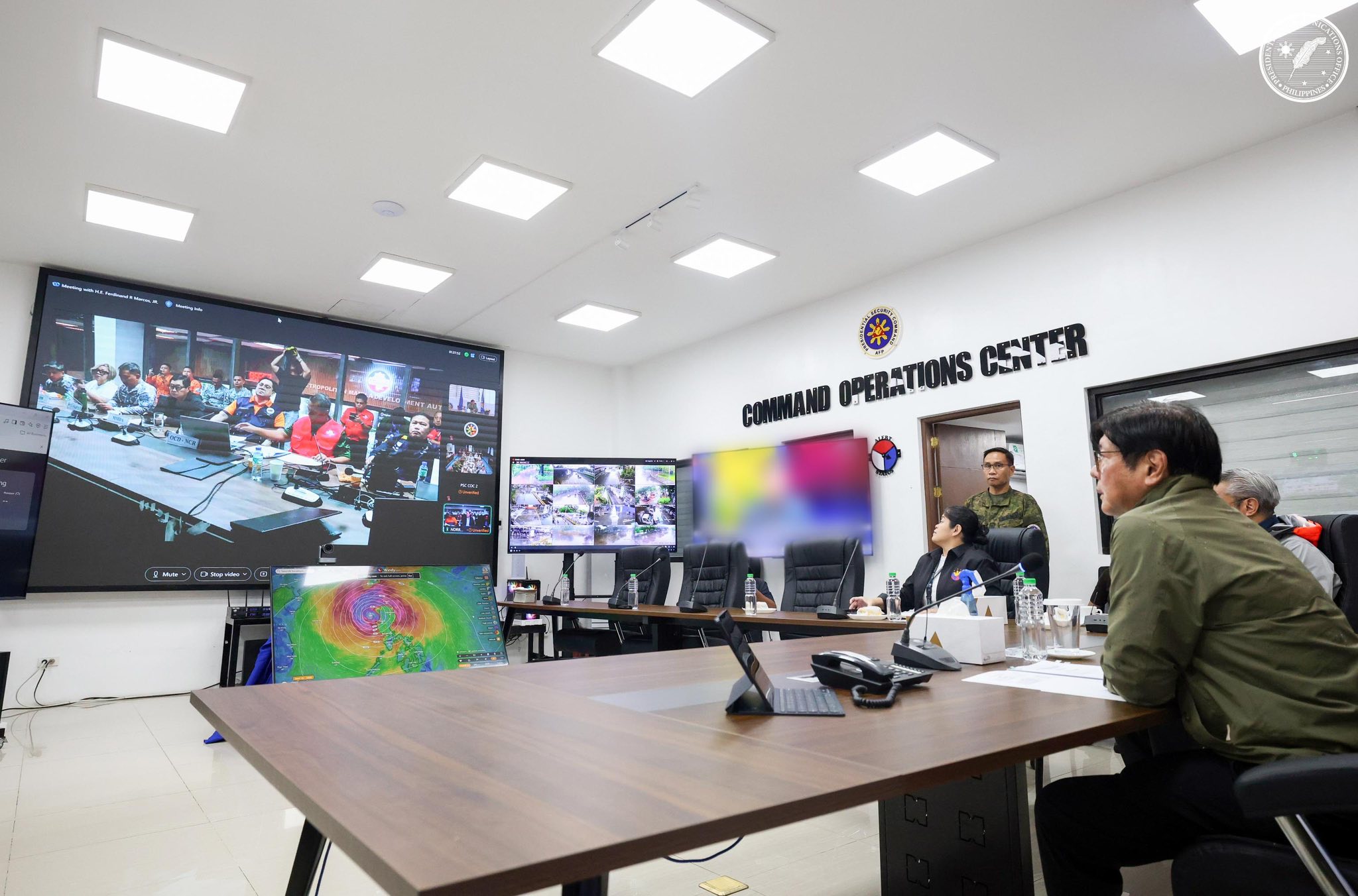
President Ferdinand Marcos Jr. led the opening ceremony of the forum, emphasizing the country’s dedication to integrating scientific evidence and strategic foresight into national and global decision-making to protect the environment.
The PREx house stands as a shining example of the Department of Science and Technology’s commitment to providing science-based, innovative, and inclusive solutions that align with the pillars of human well-being, wealth creation, wealth protection, and sustainability.